Office Lighting Design: tips, regs, and why glare is enemy number one
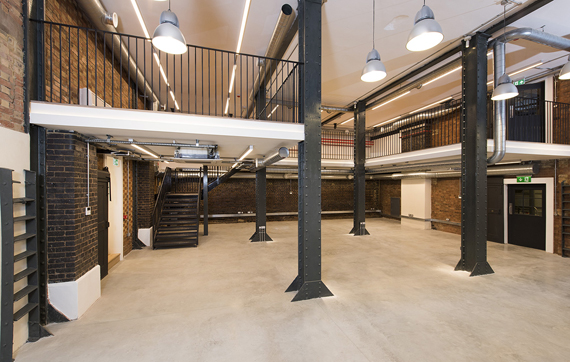
Good office lighting shapes concentration, comfort, and the overall atmosphere of a workspace, and even influences circadian well-being.
Designing an effective office lighting scheme means balancing three key pillars:
- Visual quality (glare control, uniformity, vertical illumination)
- Energy performance
- Human experience
Get these right, and you’ll create a workplace that’s efficient, compliant, and genuinely comfortable to occupy.
Regulations
Part L (Energy Efficiency)
Approved Document L sets the energy-efficiency standards for non-domestic buildings. In lighting terms, it requires the use of efficient luminaires, appropriate controls, commissioning, and evidence of compliance as part of the overall building energy performance. (Read our full article on the Part L Regulation here)
Typical control requirements include:
- Occupancy-based switching (presence/absence detection)
- Daylight-responsive dimming where natural light is available
- Photocell and time-switch control for external lighting
- Minimum average luminaire efficacy of 95 luminaire lumens per circuit watt, or meeting the LENI (Lighting Energy Numeric Indicator) requirements. Demonstrated compliance via energy calculations
In short, well-integrated controls and efficient luminaires are essential to achieving both performance and energy targets.
Glare and Uniformity
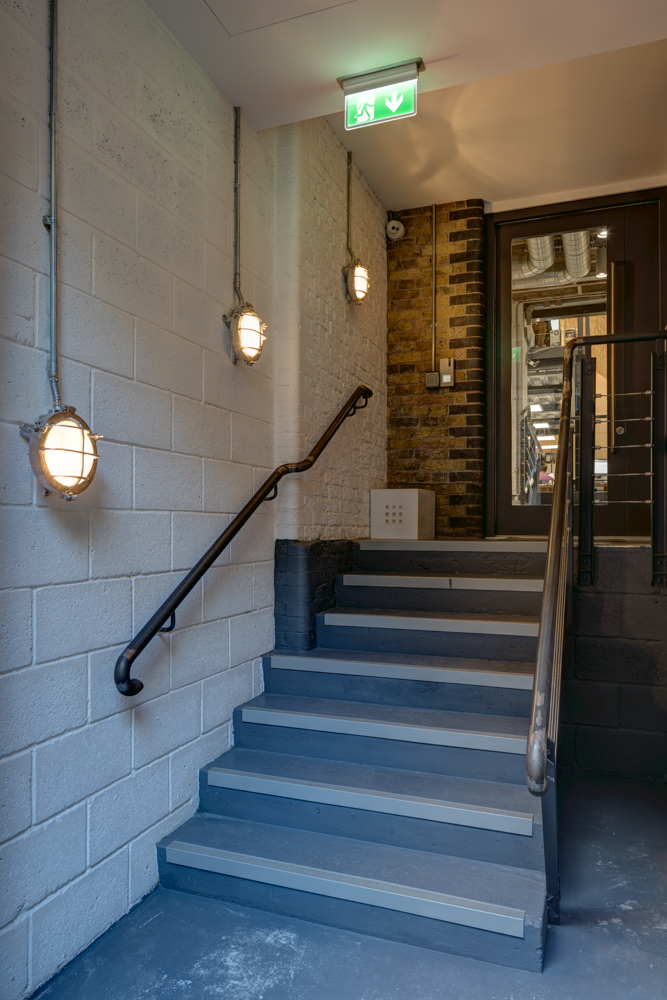
Glare remains the number one comfort complaint. The Unified Glare Rating (UGR) measures overall discomfort glare from an installation. For most office tasks, UGR must be 19 or below.
Choose luminaires with good optical control—micro-prismatic, deep louvre, batwing, or indirect distributions—and design layouts that manage brightness ratios effectively. Brighter wall and ceiling finishes also help reduce perceived glare.
Uniformity is just as critical. Poor uniformity (below U₀ 0.60 on task areas) forces the eyes to adapt constantly, leading to fatigue, eyestrain, and headaches.
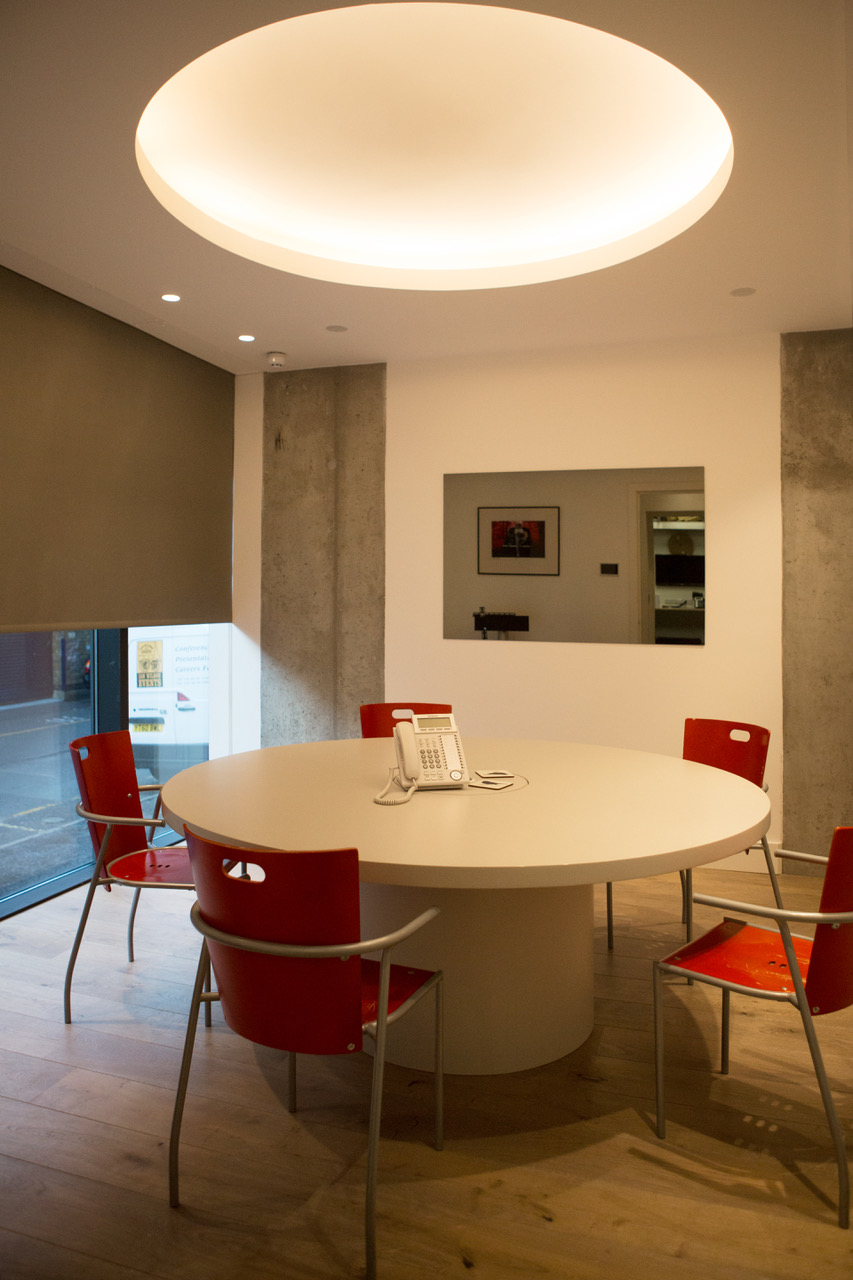
Breakout Spaces
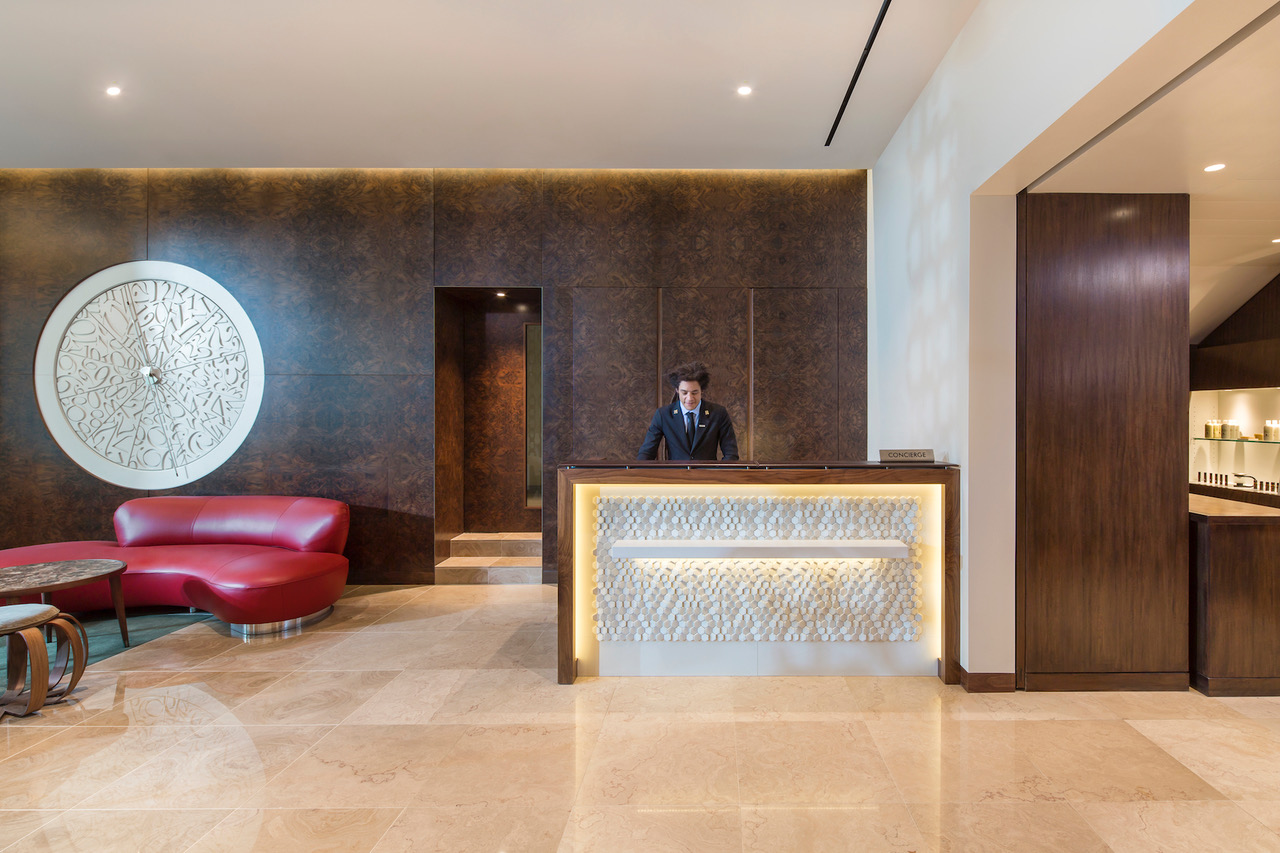
Breakout and collaboration zones benefit from a softer, more layered approach. Replace uniform ceiling grids with pendants, wall lights, and warmer tones (2700–3000 K) to encourage relaxation and conversation.
These areas should contrast gently with workstation zones, signalling a change of pace while maintaining good ambient illumination and visual comfort.
Colour Temperature
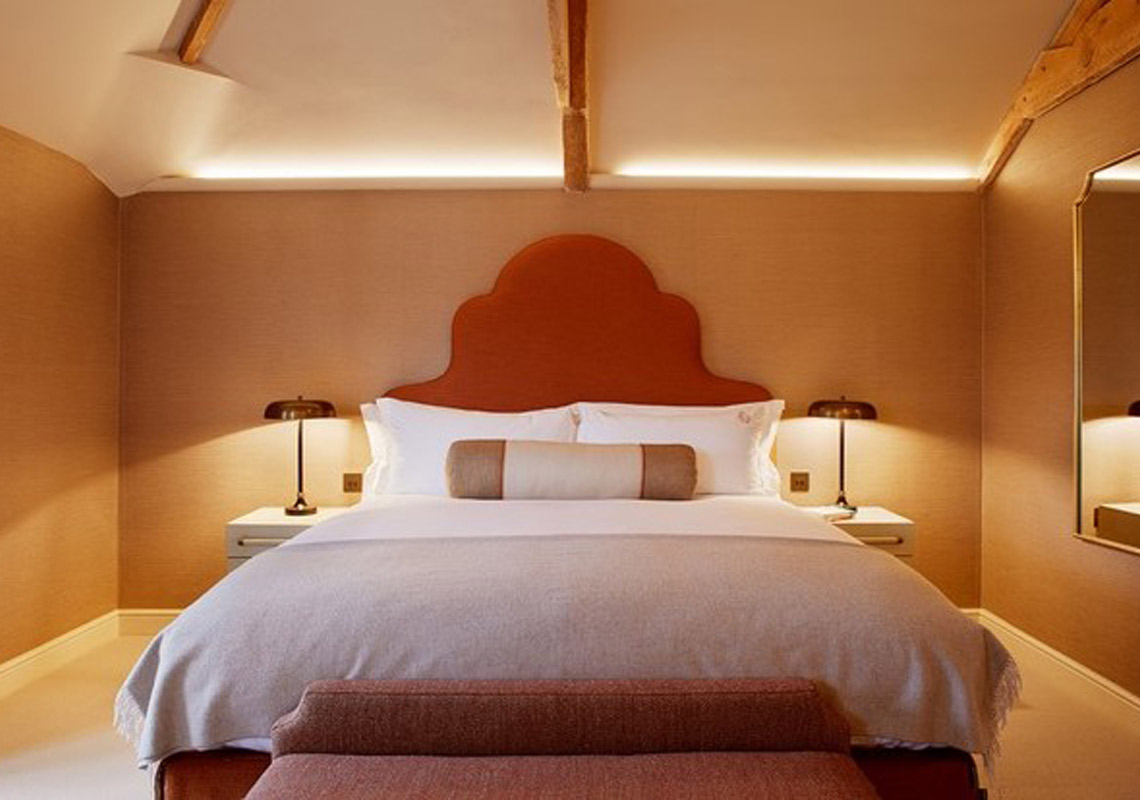
For years, 4000 K “neutral white” was the office default. Now, many designers and employees prefer warmer tones around 3000 K, which feel more natural, reduce visual fatigue, and align with trends from hospitality and residential design.
Tunable systems take this further, allowing cooler light in the morning (to promote alertness) and warmer light later in the day (to support comfort and circadian rhythms).
Read more about White Light and Colour Temperature in our blog post here
Circadian Light and Tunable White
Light affects more than visibility. It also influences our biological rhythms. Blue-enriched light can enhance alertness when used appropriately, while warmer light later in the day helps prepare the body for rest.
Dynamic, tunable white systems can shift both colour temperature and intensity throughout the day to mirror natural daylight patterns—improving alertness, mood, and sleep quality, especially in deep-plan offices with limited daylight access.
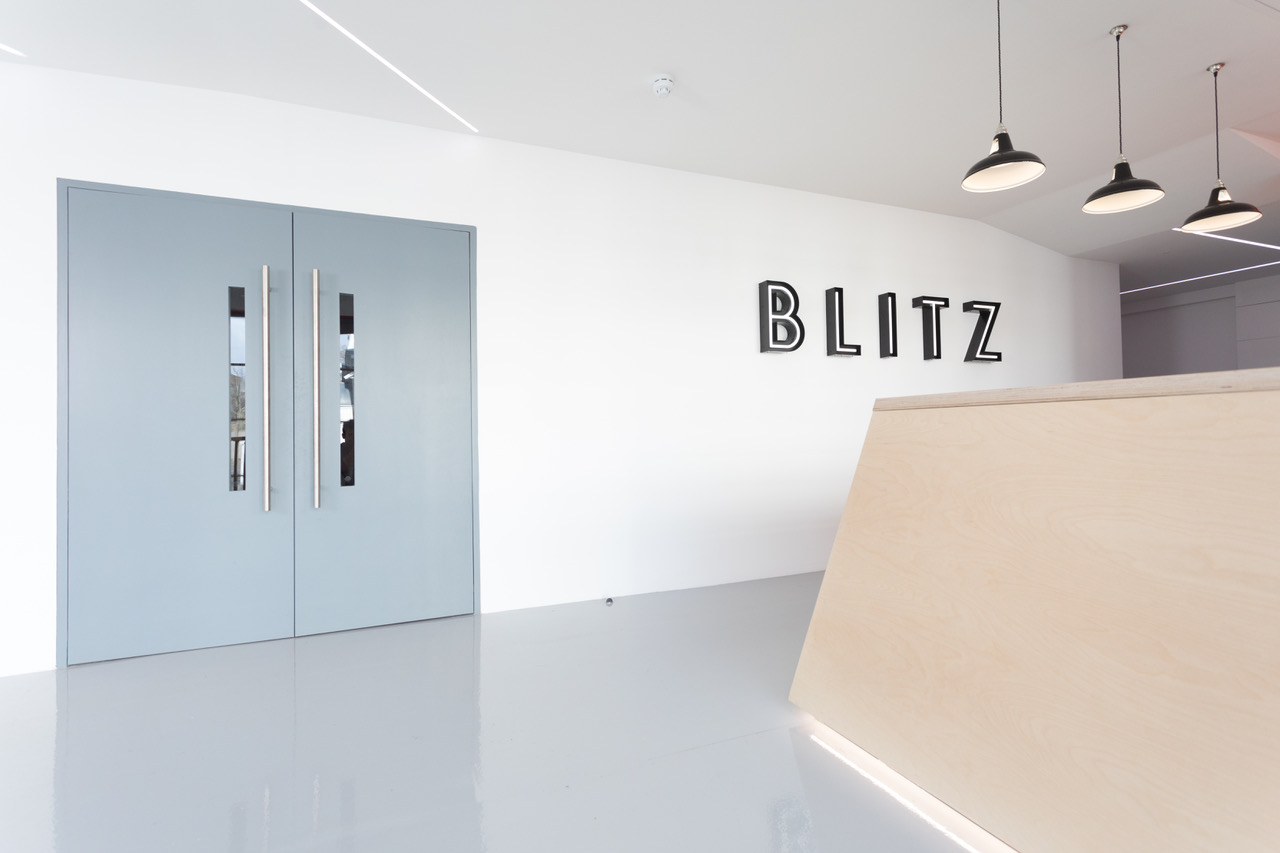
At The Lighting Design Studio, we create office environments that balance design quality, human comfort, and compliance. Our team collaborates with architects, interior designers, and clients to:
- Ensure BS 12464-1 and Part L compliance
- Optimise layouts for glare control, uniformity, and visual comfort
- Enhance well-being
If you’re planning a refurbishment or a new office project, get in touch with our team for expert guidance and a tailored lighting strategy that truly enhances how people work.